
Molecular Bioelectrostatics & Drug Delivery Laboratory
The Bajpayee Lab works at the intersection of biomaterials design, nanomedicine and translational research. We utilize the body’s internal electric fields to design electrically charged biomaterials using proteins, peptides and cellular materials like exosomes, for targeting difficult to reach tissues for applications in drug delivery and diagnostic imaging.
Negatively charged tissues such as cartilage, meniscus, intervertebral disc, eye, and mucosal membrane, that also tend to be dense and avascular, are ubiquitous in the human body but remain outstanding challenges for targeted drug delivery. Their degeneration is associated with several common diseases that remain untreatable due to a lack of delivery systems that can enable drugs to penetrate the negatively charged matrix and reach their cellular targets. The high negative fixed charge density, however, can be converted from being a challenge to an opportunity by engineering therapeutics at the molecular level to add optimally positively charged domains such that electrostatic interactions can enhance their transport, uptake and retention rather than hindering them. Our lab engineers targeted bioelectrical therapeutics for treatment of diseases affecting such intrinsically charged tissues. We strive to combine basic science with translational research to develop biomedical technologies for unmet clinical needs.

Follow us on Twitter @bajpayeelab | @AmbikaBajpayee
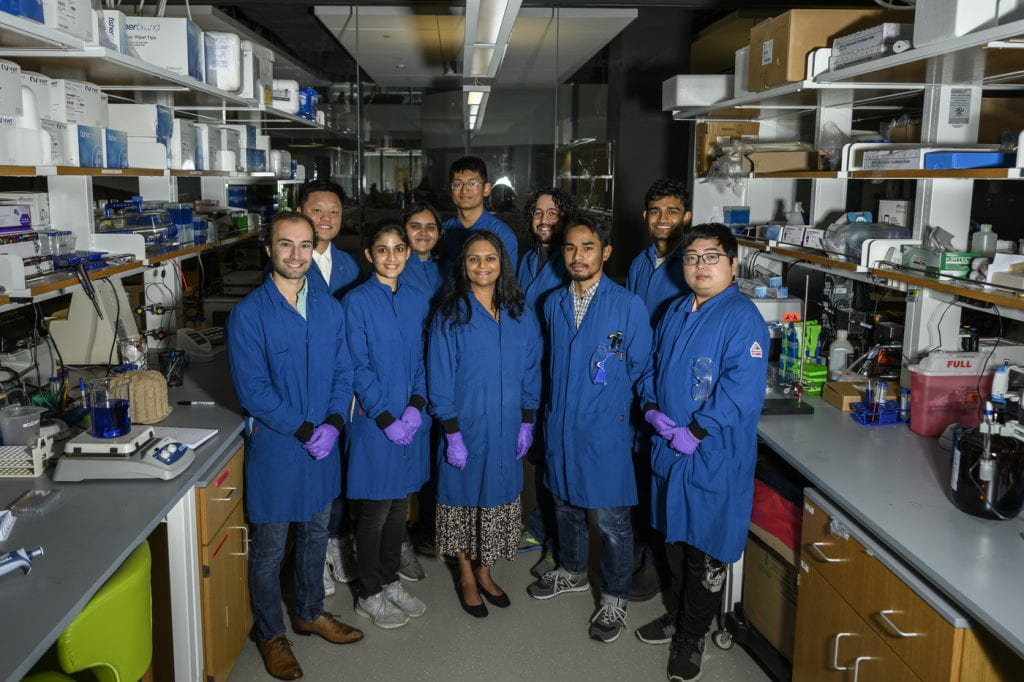
We are supported by

Our Lab News
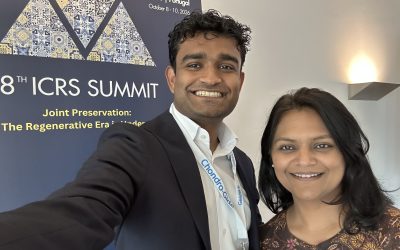
Recap from 2026 ICRS Summit!
The Bajpayee Lab represented Northeastern University at the 2026 International Cartilage Regeneration and Joint Preservation Summit (October 8 - 10th 2026, Porto, Portugal) with two presentations showcasing charge-engineered exosomes for cartilage gene therapy. Dr....

Professor Bajpayee featured in Stanford’s 2026 List of World’s Most Cited Researchers!
Congratulations to Professor Bajpayee and our lab for being named on the list of top 2% of the most-cited scientists with a single-year impact by Stanford University. Find out more [here]!
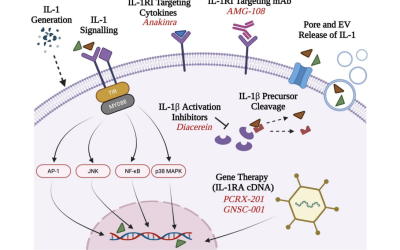
New Review Article on IL-1 inhibition strategies for OA published in Arthritis Research & Therapy!
Congratulations to Dr. Tim Boyer and co-authors for publishing in Arthritis Research & Therapy an insightful and very much needed review on IL-1 inhibition strategies as a therapeutic strategy for OA! IL-1 inhibition has been a widely researched avenue of tackling...